
Web App vs. Mobile App: Choosing the Right Platform for Your Business
Deciding where to invest in building digital presence is one of the first major decisions a business faces when planning new software
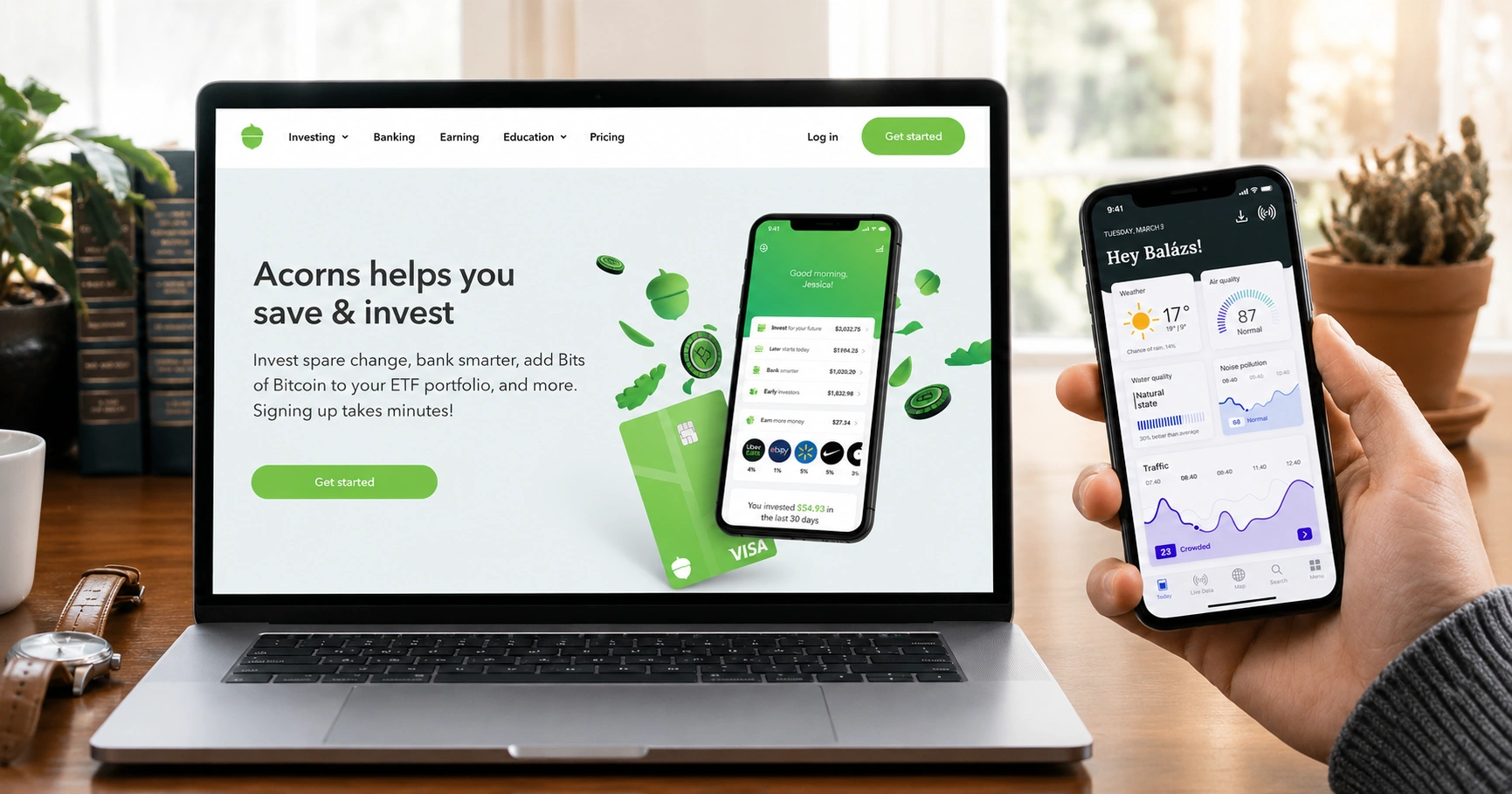
Web App vs. Mobile App: Choosing the Right Platform for Your Business
Deciding where to invest in building digital presence is one of the first major decisions a business faces when planning new software—and it's rarely as simple as picking whichever option sounds more modern. Web apps and mobile apps solve overlapping but distinct problems, and understanding these differences can help businesses get more value from their software development company investment rather than building the wrong thing for their actual goals.
Why This Decision Matters Early On
Platform Choice Shapes the Entire Project
The decision between a web app and a mobile app affects far more than just where users access the product—it influences development timelines, ongoing costs, team structure, and how easily the product can evolve later. Reversing this decision after significant development work has already happened is far more expensive than getting it right from the start.
User Expectations Differ by Context
How and where people expect to interact with a business often points toward one platform over the other. A logistics dashboard used by office staff at a desk has very different usage patterns than a delivery tracking tool used by drivers on the move, and these patterns matter more than general platform popularity.
Budget and Timeline Constraints Are Real Factors
Businesses operating with limited runway or tight launch deadlines need a platform choice that fits realistic resource constraints, not just the theoretically ideal solution. Understanding the cost and time differences upfront prevents scope surprises later in the project.
What Sets Web Apps and Mobile Apps Apart
Access and Installation
Web apps run directly in a browser and require no installation, meaning users can reach them instantly from any device with internet access. Mobile apps, by contrast, need to be downloaded from an app store and installed before first use, which adds a step but can also lead to deeper, more habitual engagement once installed.
Device Capability Access
Mobile apps can tap into device-level features—camera, GPS, push notifications, biometric authentication—more directly and reliably than web apps typically can. For businesses whose core value depends on these capabilities, like ride-sharing or fitness tracking, this difference often settles the platform decision on its own.
Performance and Offline Use
Mobile apps generally offer smoother performance and can function fully or partially offline, since core functionality and data can be stored directly on the device. Web apps depend on a live internet connection for most interactions, which can be a limiting factor for users in areas with inconsistent connectivity.
Discovery and Distribution
Web apps are discoverable through search engines and shareable via a simple link, making them easier for new users to find organically. Mobile apps depend on app store visibility and direct downloads, which often requires more deliberate marketing effort to drive installation.
Cost and Development Considerations
Initial Development Investment
Building a single web app that works across devices through a browser is often more cost-effective than developing separate native apps for iOS and Android, since native development typically requires platform-specific code and expertise for each.
Cross-Platform Frameworks Narrow the Gap
Cross-platform mobile frameworks have made it possible to build for both iOS and Android from a largely shared codebase, reducing—though not eliminating—the cost gap between web and mobile development. Businesses evaluating cost should ask a potential mobile app development company specifically how much of the codebase can realistically be shared versus built separately per platform.
Maintenance and Update Cycles
Web apps can typically be updated instantly for all users the moment changes are deployed, with no action required from the end user. Mobile apps usually involve an app store review process for updates, plus reliance on users actually installing the new version, which can mean parts of the user base run outdated versions for some time.
Reach and User Engagement
Audience Size and Accessibility
Because web apps don't require installation, they tend to have a lower barrier to entry, which can support broader initial reach—particularly important for businesses still building brand awareness or testing a new market.
Engagement Depth Over Time
Mobile apps that users install tend to build stronger habitual engagement, partly because of the convenience of a home-screen icon and partly due to push notifications that can re-engage users directly. Businesses prioritizing long-term retention and repeat engagement often lean toward mobile for this reason.
SEO and Organic Discovery
Web apps benefit from standard search engine optimization practices, allowing individual pages or features to be discovered directly through search—something native mobile apps generally can't achieve in the same way, since their content typically isn't indexed by search engines the way a website's pages are.
Matching the Platform to the Business Use Case
When a Web App Makes More Sense
Businesses prioritizing broad reach, low friction for first-time users, easier content discoverability, and lower upfront development cost often find a web app aligns better with their goals, particularly in early stages or for products that don't depend heavily on device-specific features.
When a Mobile App Makes More Sense
Businesses whose product depends on frequent, habitual use, deep device integration, or offline functionality typically see stronger results from a dedicated mobile app, even with the added development and maintenance investment that comes with it.
Why Many Businesses Eventually Use Both
As a business grows, the web app vs. mobile app decision often stops being either-or. Many companies launch with one platform to validate their product and audience, then expand to the other once usage patterns and growth justify the additional investment—a path that works best when the original platform was built with that future expansion in mind.
Working With a Development Partner on This Decision
Platform Strategy Should Inform Development From Day One
Choosing a platform isn't purely a technical decision—it's a strategic one that should be discussed early with a development partner, alongside business goals, target users, and growth plans, rather than decided in isolation before development conversations even begin.
Building for Flexibility
A thoughtfully architected web app can often be designed with future mobile expansion in mind, just as a mobile-first product can be built with an eye toward an eventual companion web experience. This kind of forward planning, as part of broader digital business solutions, tends to save significant rework later compared to treating each platform as a completely separate project.
Conclusion
There's no universally correct answer to web app versus mobile app—the right choice depends on how customers will realistically use the product, what budget and timeline constraints exist, and how the business expects to grow. Businesses that work through these questions thoughtfully, ideally with input from an experienced software development company, tend to land on a platform decision that supports both their immediate launch goals and their longer-term product roadmap.